

Gum Disease Prevention: Tips for a Healthy Mouth
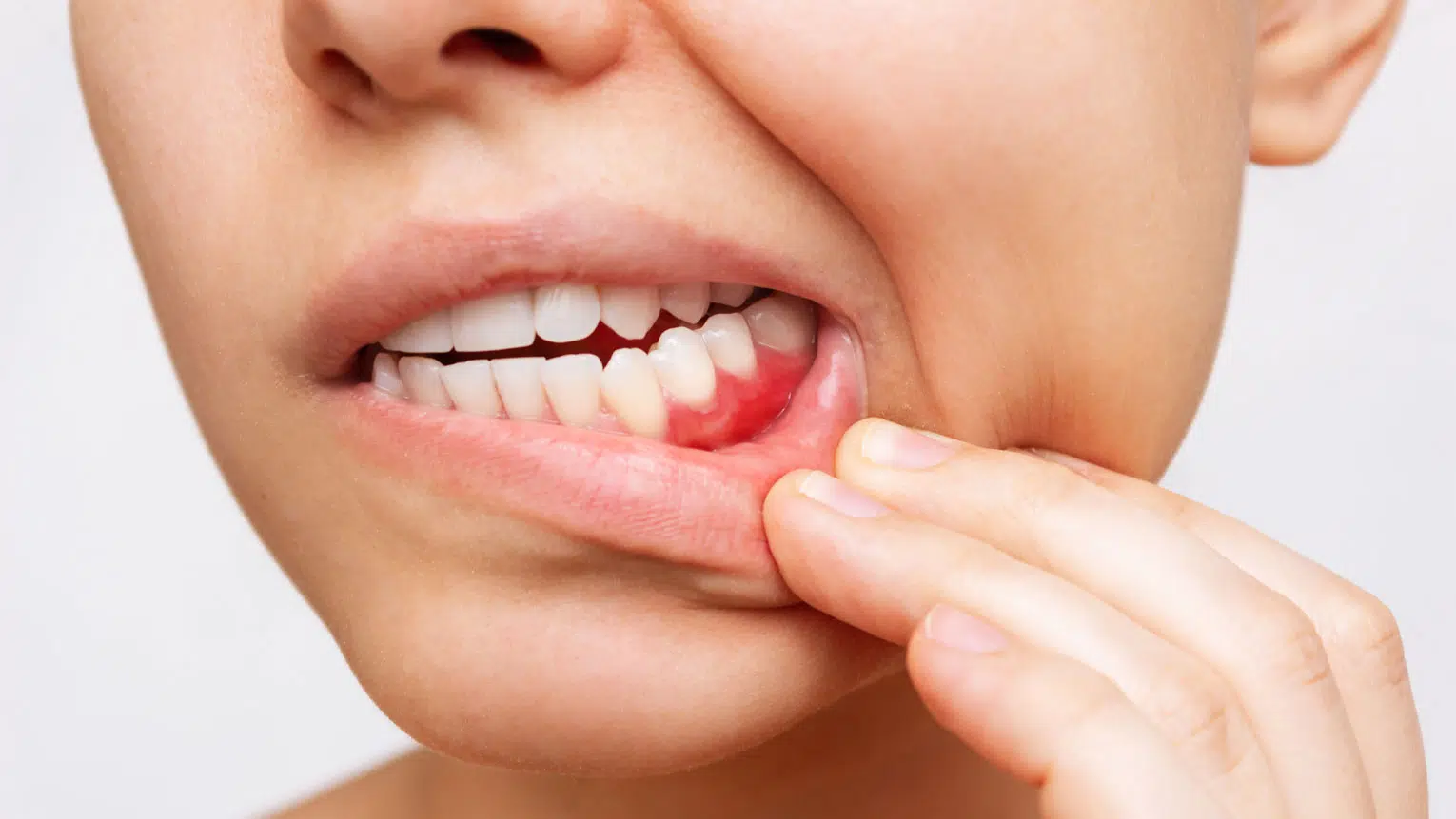


Gum disease affects nearly half of American adults over 30, making prevention strategies more important than ever. Poor oral hygiene leads to inflammation that can progress from mild gingivitis to severe periodontitis.
We at Valley Dental Care of Plainfield see patients daily who could have avoided serious complications with proper gum disease prevention techniques. Simple daily habits make the difference between healthy gums and costly treatments.
What Are the Stages of Gum Disease
Early Warning Signs You Cannot Ignore
Gingivitis starts with subtle changes that most people dismiss. Your gums turn red instead of their healthy pink color, and they bleed when you brush or floss. The Centers for Disease Control and Prevention reports that 42.2% of adults over 30 have some form of gum disease, yet many ignore these early symptoms. Swollen gums that feel tender to touch signal inflammation from plaque buildup. Bad breath that persists despite brushing indicates bacteria multiply along your gum line. These symptoms appear within days of poor oral hygiene (making early detection straightforward).
When Gingivitis Becomes Periodontitis
Untreated gingivitis progresses to periodontitis within months, not years. Your gums pull away from teeth and create pockets that trap food and bacteria. These pockets deeper than 4 millimeters during dental examinations indicate periodontitis, compared to healthy measurements between 1 and 3 millimeters. The National Institute of Dental and Craniofacial Research shows that periodontitis destroys the tissues and bones that support your teeth. You notice loose teeth, changes in your bite, and pus between teeth and gums. At this stage, professional intervention becomes necessary because home care alone cannot reverse the damage.
Risk Factors That Accelerate Disease Progression
Smoking multiplies your gum disease risk dramatically. Current smokers have twice the risk for gum disease compared with nonsmokers. Diabetes creates another significant risk, with nearly 60% of diabetic patients experiencing gum disease. Hormonal changes during pregnancy, menopause, or puberty increase susceptibility (particularly in women). Genetics also play a role – family history of gum disease makes you more vulnerable regardless of your oral hygiene efforts. Stress weakens your immune system’s ability to fight gum infections, while certain medications like antidepressants and oral contraceptives affect gum health. Age compounds these factors, with 70% of adults over 65 showing signs of gum disease.
Understanding these stages and risk factors helps you recognize when prevention strategies become most important. Daily oral hygiene practices form the foundation of effective gum disease prevention.
How Should You Clean Your Teeth and Gums Daily
The Two-Minute Rule Changes Everything
Two minutes of brushing twice daily provides greater plaque reduction than shorter sessions, according to research from the American Dental Association. Most people brush for only 45 seconds and miss the thorough cleaning that prevents gum disease. Use a soft-bristled toothbrush with fluoride toothpaste and angle the bristles 45 degrees toward your gum line. This angle allows bristles to sweep bacteria from the gum pocket where gingivitis starts. Replace your toothbrush every three months because worn bristles lose their effectiveness. Electric toothbrushes provide improved oral hygiene compared to manual brushes, making them worth the investment for gum health.
Floss Technique Matters More Than Frequency
Daily flossing prevents 40% of cavities and significantly reduces gum inflammation, but technique determines results. Use 18 inches of floss and wrap most around your middle fingers, leave two inches for cleaning. Guide floss between teeth with gentle rubbing motions, never snap it into gums. Curve floss around each tooth base and slide it under the gum line where plaque hides. Water flossers work well for people with dexterity issues and are more effective in plaque removal compared to dental floss, especially from inaccessible areas.
Antimicrobial Mouthwash Completes Your Defense
Therapeutic mouthwash that contains cetylpyridinium chloride reduces gum inflammation by 60% when used after brushing and floss. Avoid alcohol-based rinses that dry your mouth and create conditions for bacterial growth. Rinse for 30 seconds with one ounce of mouthwash and reach areas your toothbrush and floss cannot access. The American Academy of Periodontology recommends antimicrobial rinses specifically for gum disease prevention (not cosmetic freshening products that only mask problems temporarily).
These daily habits form your first line of defense against gum disease, but lifestyle choices can either strengthen or weaken your efforts.
What Lifestyle Changes Protect Your Gums
Anti-Inflammatory Foods Reduce Gum Disease Risk
Omega-3 fatty acids found in salmon, mackerel, and walnuts provide essential nutrients for gum health. Vitamin C from citrus fruits, strawberries, and bell peppers strengthens gum tissue and supports healing. Green tea contains catechins that fight bacteria in your mouth and reduce periodontal pocket depth.
Leafy greens like spinach and kale provide folate, which decreases gum bleeding and inflammation. Avoid sugary snacks and processed foods that feed harmful bacteria. Choose crunchy vegetables like carrots and celery that naturally clean your teeth while you eat them.
Tobacco Cessation Shows Immediate Gum Benefits
Former smokers see improved gum healing within two weeks of quitting, with inflammation markers dropping significantly within one month. The American Academy of Periodontology reports that smokers lose teeth at a higher rate than non-smokers and respond poorly to gum disease treatment. Nicotine reduces blood flow to gums and impairs immune response against bacterial infections.
Smokeless tobacco products cause even more direct damage to gum tissue through constant contact. Lifestyle modifications such as quitting or reducing smoking can have a positive impact on gum health, with nicotine replacement therapy or prescription medications supporting cessation efforts.
Stress Management Strengthens Gum Defense
Chronic stress elevates cortisol levels, which suppress immune function and increase susceptibility to gum infections. People under high stress show increased risk of periodontal disease and related complications compared to those with lower stress levels.
Regular exercise reduces stress hormones and improves circulation to gum tissue. Seven to eight hours of quality sleep allows your immune system to repair and fight oral bacteria effectively. Meditation and deep breathing exercises lower cortisol production and support overall gum health, making stress management an essential part of good oral hygiene.
Protect Your Smile With Gum Disease Prevention
Effective gum disease prevention requires consistent daily habits and professional support. You must brush twice daily for two minutes, floss with proper technique, and use antimicrobial mouthwash to create your foundation. Anti-inflammatory foods like salmon and leafy greens support gum health, while tobacco cessation provides immediate benefits within weeks.
You should schedule professional cleanings every six months, or more frequently if you have risk factors like diabetes or a history of tobacco use. Contact your dentist immediately if you notice persistent bleeding, swelling, or bad breath that home care cannot resolve. Early intervention prevents minor issues from becoming major problems.
Healthy gums protect against tooth loss and reduce your risk of heart disease and diabetes complications (which affect millions of Americans annually). The 47.2% of adults with gum disease face expensive treatments that prevention could have avoided. We at Valley Dental Care of Plainfield help patients maintain optimal gum health through comprehensive preventative care.
Meet the Author

Dr. Aparna Gottumukkula
Dr. Aparna provides general and family dentistry with a focus on gentle care, prevention, and long-term oral health for patients of all ages.
Meet Dr. AparnaRelated Posts

Gum Disease Prevention: Tips for a Healthy Mouth
Understand the scaling and root planing procedure and what you can expect during and after this vital dental treatment for improved oral health.
Gum Disease Prevention: Tips for a Healthy Mouth
Healthy gums are the foundation of a healthy smile, yet gum disease remains one of the most common oral health issues among adults. Gum disease, or periodontal disease, can lead to tooth loss and even impact your overall health if left untreated.…
Gum Disease Prevention: Tips for a Healthy Mouth
They say the best defense is a good offense, and the expression is especially true when it comes to your oral hygiene. Most dental problems can be avoided entirely with a thorough oral healthcare regimen and routine checkups, and the same is…
