

What to Eat After a Tooth Extraction
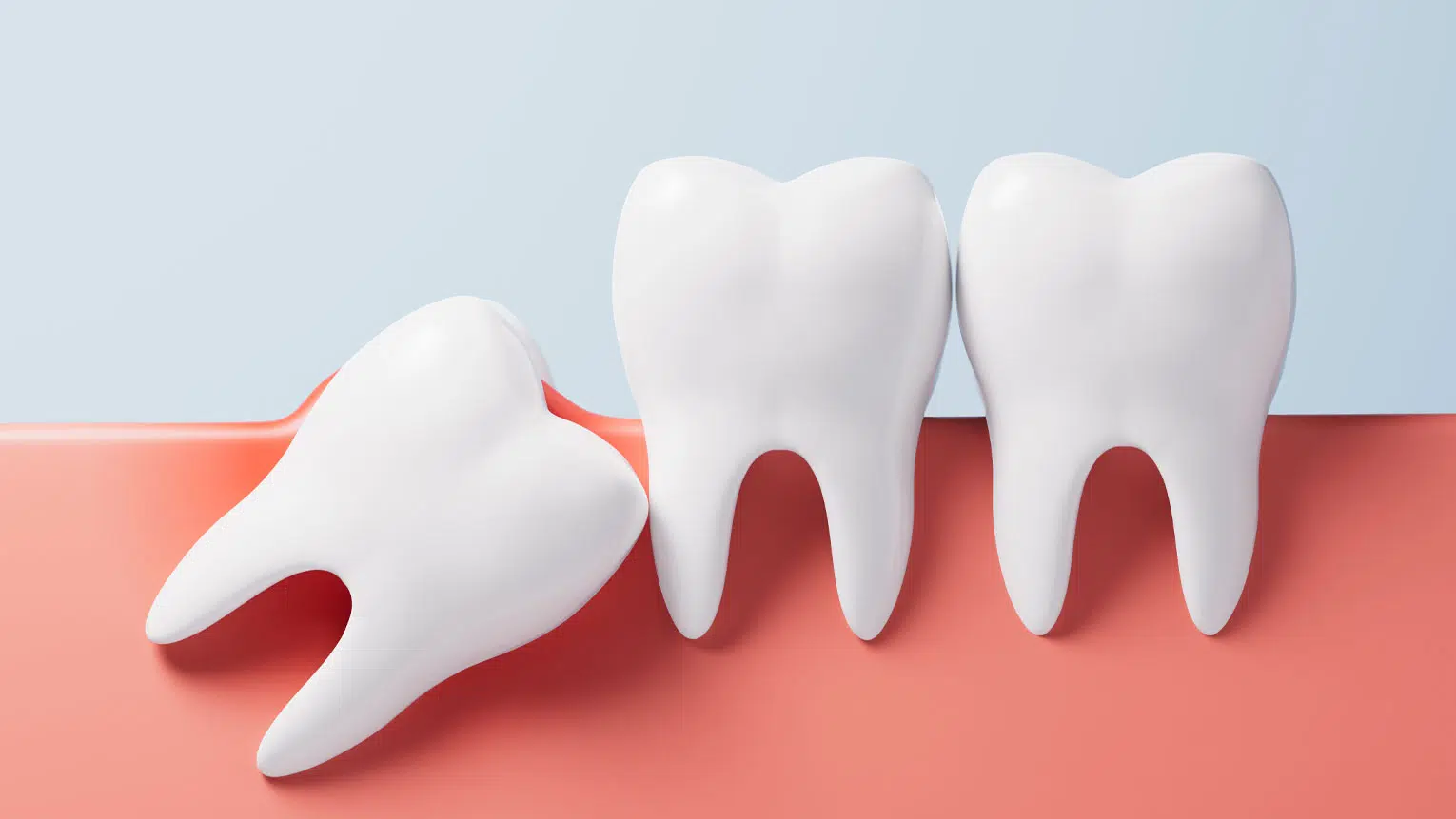


Getting a tooth pulled leaves you wondering what to eat after tooth extraction without causing pain or complications. The wrong food choices can disrupt healing and lead to serious problems like dry socket.
We at Valley Dental Care of Plainfield see patients make costly dietary mistakes during recovery that extend their healing time. Following the right eating plan protects your extraction site and speeds up your return to normal activities.
What Should You Eat Right After Extraction
Your first 48 hours after tooth extraction determine whether you heal smoothly or face complications. The American Dental Association emphasizes that blood clot formation happens within the first 24 hours, which makes your food choices during this window absolutely critical for recovery success.
Cold Foods Provide Immediate Relief
Cold foods like ice cream, yogurt, and smoothies should dominate your diet because they reduce swelling and provide comfort to the extraction site. These options deliver nutrition while the cold temperature naturally numbs pain and controls inflammation. Frozen yogurt (without chunks or nuts) offers protein and probiotics that support healing, while fruit smoothies provide vitamins without requiring any chewing motion.
Soft Foods That Support Healing
Lukewarm pureed soup without chunks, mashed potatoes, and scrambled eggs offer nutrition without requiring chewing that could disturb the healing area. Protein-rich soft foods like Greek yogurt and cottage cheese help rebuild tissue at the extraction site. Applesauce provides gentle sweetness and vitamins, while pudding satisfies cravings without putting pressure on sensitive areas.
Temperature Control Prevents Complications
Hot beverages and foods pose the biggest threat to your recovery during the first two days. Heat increases blood flow to the extraction site, which can dissolve the protective blood clot and trigger bleeding episodes. Coffee, tea, and hot soup must wait until at least 48 hours post-surgery to prevent these complications.
Hydration Strategy Without Suction Risk
Dehydration slows tissue repair, but straws create dangerous suction that can dislodge blood clots and cause dry socket. Sip directly from cups or use a spoon for liquids during your first week of recovery. Water intake should increase to support your body’s natural healing process, while protein-rich drinks like milk provide both hydration and nutrients needed for tissue regeneration.
These dietary foundations set the stage for optimal healing, but certain foods actively promote faster recovery through their specific nutritional properties.
Which Foods Speed Up Your Recovery
Protein becomes your most powerful tool for healing after tooth extraction because protein provides the building blocks your body needs to repair damaged tissue. Scrambled eggs deliver 6 grams of protein per egg and slide down easily without chewing that could disturb your extraction site. Greek yogurt packs 15-20 grams of protein per serving while it provides probiotics that support your immune system during recovery. Cottage cheese offers 14 grams of protein per half-cup and its soft texture makes it perfect for the first week after surgery. We recommend that you eat protein every 3-4 hours to maintain steady tissue repair throughout your recovery process.
Smoothies That Rebuild Tissue
Blended drinks give you maximum nutrition with zero risk when you combine the right ingredients. A smoothie with banana, protein powder, and milk delivers 25-30 grams of protein plus potassium that reduces inflammation at your extraction site. Spinach smoothies provide iron and vitamin K that support blood clot formation, while berries add antioxidants that fight infection. Avoid citrus fruits in smoothies because their acidity can irritate tissue and slow recovery progress. Drink smoothies at room temperature rather than ice-cold to prevent sensitivity that could cause pain.
Anti-Inflammatory Nutrition Strategy
Certain foods actively reduce swelling and speed recovery through their natural anti-inflammatory properties. Bone broth contains collagen and amino acids that rebuild gum tissue while it provides hydration your body needs for recovery. Avocado offers healthy fats that reduce inflammation plus vitamin E that protects cells from damage during the process. Soft cooked salmon provides omega-3 fatty acids that can reduce post-surgical inflammation. Sweet potato puree delivers beta-carotene that converts to vitamin A (which accelerates wound repair and tissue regeneration around your extraction site).
While these foods promote faster recovery, certain items can sabotage your progress and cause serious complications that extend your time away from normal activities. Following proper diet advice becomes crucial for avoiding setbacks during your healing process.
Which Foods Will Sabotage Your Recovery
Hard and crunchy foods present the greatest threat to your extraction site because they require forceful chewing that can dislodge protective blood clots or damage healing tissue. Nuts, popcorn, chips, crackers, and raw vegetables like carrots create direct pressure on your surgical site and often leave small particles that get trapped in the wound. These fragments increase infection risk and extend healing time by weeks rather than days.
Sticky Foods That Pull at Wounds
Sticky foods like caramel, taffy, and chewing gum pose serious dangers because they can pull at stitches or stick to the extraction area when you try to remove them. Crusty bread, pizza crust, and granola bars require excessive jaw movement that strains muscles and reopens wounds that were beginning to heal properly. These foods force your mouth to work harder than it should during the critical first week of recovery.
Acidic Foods Create Chemical Burns
Citrus fruits, tomatoes, vinegar-based dressings, and carbonated beverages turn your extraction site into a chemical burn zone that prevents proper tissue formation. Orange juice contains citric acid that literally dissolves the protective proteins your body creates during wound repair, while soda combines acidity with carbonation that creates painful bubbling at the surgical site. Coffee and wine contain acids that cause immediate stinging pain and slow collagen production needed for strong tissue regeneration.
Spicy Foods Trigger Inflammation
Spicy foods containing capsaicin trigger inflammation that counteracts your body’s natural healing process and can cause severe burning sensations that last for hours after eating. Hot sauce, jalapeños, and curry dishes create immediate pain at your extraction site while they interfere with the delicate tissue repair process. These foods force your mouth to produce excess saliva that can wash away protective blood clots.
Alcohol and Tobacco Destroy Recovery Progress
Alcohol consumption during the first week after extraction can alter the condition of dental implants and related peri-implant inflammation, which dramatically increases infection risk at your surgical site. Alcohol also interferes with blood clotting mechanisms and can cause bleeding episodes even days after your procedure when you thought healing was progressing well. Smoking or using tobacco products restricts blood flow to your extraction area and disrupts wound healing through tissue hypoxia. The sucking motion required for smoking creates the same dangerous suction as using straws, while nicotine constricts blood vessels and reduces oxygen delivery that tissues need for proper repair.
Support a Faster Recovery After Tooth Extraction
Your recovery timeline follows a predictable pattern when you stick to proper dietary guidelines. Most patients can return to soft solid foods like pasta and cooked vegetables after one week, while normal chewing typically resumes within 10-14 days. The extraction site should feel comfortable without throbbing pain, and you should notice the socket fills in with new tissue rather than appearing as a dark hole.
Proper healing shows itself through decreasing pain levels each day, minimal swelling after the third day, and the ability to open your mouth wider without discomfort. Your extraction site should appear pink rather than white or gray, and you should taste less blood in your mouth as days progress. Contact us immediately if you experience severe pain that worsens after day three, foul-smelling discharge from the extraction site, or fever above 101°F (these symptoms often indicate infection or dry socket that requires professional treatment).
Knowing what to eat after tooth extraction gives you control over your recovery speed and comfort level. We at Valley Dental Care of Plainfield provide comprehensive dental services with detailed recovery guidance to help you heal properly. Our team supports you through every step of your extraction recovery process.
Meet the Author

Dr. Aparna Gottumukkula
Dr. Aparna provides general and family dentistry with a focus on gentle care, prevention, and long-term oral health for patients of all ages.
Meet Dr. Aparna